Friday, September 26, 2014

Origins of the Cold War in the Middle East


Bruce Kuniholm, The Origins of the Cold War in the Near East. (Instead of reading a couple of in-depth chapters from a single book like last week, this selection gives you the chance to try the alternative approach of reading the introduction and conclusion of every chapter in a book. Both approaches, as you will see, have their advantages and drawbacks)


Monday, September 22, 2014

Presentation List

September 25 - Libya, Algeria - Brandon, Marine

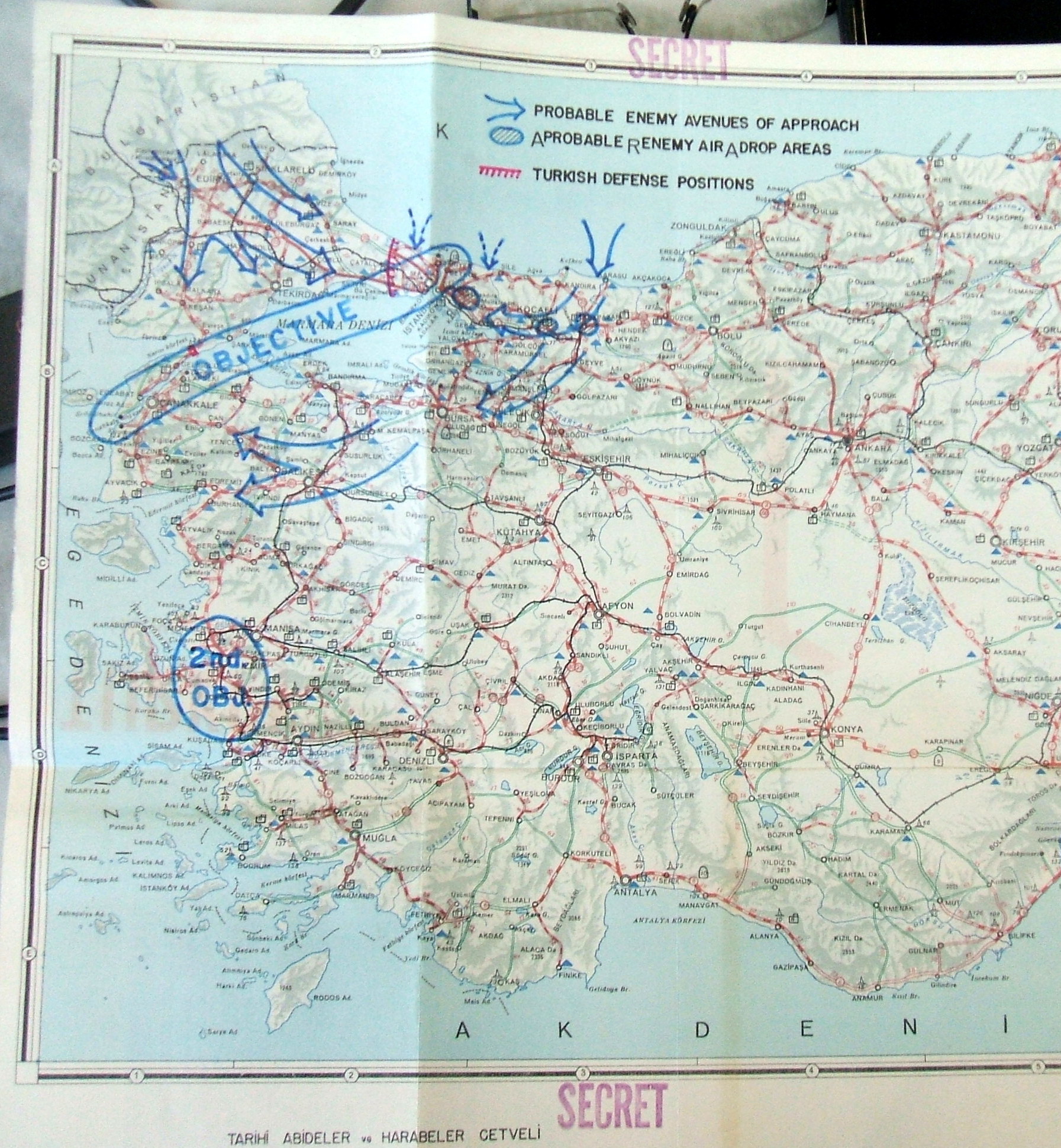
October 2 - Turkey - Anashua, Carmen

October 9 - Egypt - Lizzy, Rachelle

October 16 - Jordan - Philip

October 23 - Israel, Syria - Rohan, Holden

October 30 - Iran - Dominique, Austin

November 6 - Lebanon, Afghanistan - Jessica, Kellie

November 13 - Iraq - Will, Ben

November 20 - the Islamic State, Kurdistan - Sarah, Victoria

Remember to send me an outline of your presentation by Wednesday before class at the latest. And as always, let me know if you have any questions.

Thursday, September 11, 2014

Sept 18: Oil & Imperial Continuity

1920s & 1930s, Saudi Arabia

David Painter, Oil and the American Century

For anyone thinking of doing a reading response this week, let me add that you should be sure to cover at least two of the readings, and ideally all three if you can fit them together without it seeming forced. Let me know if there are other questions.

And, as per our conversation last week, the appendix on why Arabs hate the French. Many of the points you all brought up in class.

Arab Feeling Toward the French: Apart from the questions of process and recency, the anti-French feeling does seem to be deep-rooted in a large proportion of the Syrian population. This appears in an examination of the principal reasons given by the Syrians for their opposition to all French interference in their affairs. They say:
  1. The French are enemies of religion, having none at home, and supporting Roman Catholics abroad for purely political motives.
  2. They disapprove of the French attitude toward women.
  3. The French education is superficial and inferior in character-building to the Anglo-Saxon. It leads to familiarity with that kind of French literature which is irreligious and immoral. The Moslems recognize that the time has come for the education of their women, and they say that those who receive French education tend to become uncontrollable.
  4. The French have not treated the natives as equals in Algeria and Tunisia but have imposed differences in office holding and in various civil rights. This argument was presented very often and developed in some detail.
  5. The French have shown a marked tendency to give an undue proportion of offices, concessions, and the like, to the Christians of Syria. Non-Catholics complain that the same discrimination is shown in favor of Catholics and Maronites.
  6. By this discrimination, and by various intrigues since the occupation, the French have increased the religious divisions in Syria, which had been reduced greatly during the war. They thus endanger the possibility of Syrian nationalism on a non-religious basis.
  7. The French are inclined to a policy of colonization, by which they wish to substitute the use of the French language for native tongues, and make the people into Frenchmen. The Syrians wish to preserve the use of the Arabic language, and to retain their separateness. Furthermore, it is inherent in this policy that the French would never leave Syria
  8. The French have lost so many men in the war that they are unable to give needful protection or adequate administration. This is illustrated by the few soldiers and the inferior type of French officers and officials now in Syria. (Friends of the French deny that-France lacks good officials, and blame the French foreign office for choosing badly those who are sent out. Again, while for the English the Eastern service is a career and draws the best of the young men (for the French it seems a kind of exile and the best prefer to remain at home). It was affirmed that bribery and intrigue are worse in the French area now than under the Turks.
  9. The French have suffered financially in the war to such an extent that they have not the means to restore France itself or to develop what possessions they have already. They cannot therefore give Syria the financial and economic support she needs.
  10. The French are inclined toward financial exploitation of subject areas, and would govern Syria not for its own development, but for the profit of Frenchmen


Thursday, September 4, 2014

Friday, August 29, 2014

Week 2, September 4: Merchants and Missionaries

Michael Oren, Faith and Power: Intro (5p)
Douglas Little, American Orientalism: Intro (17p)
Ussama Makdisi, Faith Misplaced: Intro, Chapters 1&2 (90p)

The password for the documents, if you're asked, is 0810. And if you don't remember a Saddam Hussein look-alike from Disney's Aladdin either, this, I think, is what Douglas Little was referring to.

Below, detail from the first Ottoman map of the US, 1803:

Reading for Week 1, Aug 28: Where is the Middle East

Roderic Davis, Where is the Middle East, Foreign Affairs, 1960

America's Allies and Enemies in the Middle East

 From the map's explanation, which I should have included in last week's email:

"This is a map designed to appeal to the enthusiasm U.S. policymakers and Internet map lovers share for radically simplified visions of the world. The map reduces every complex bilateral relationship between the U.S. and a Middle Eastern country to With Us (blue) or Against Us (red), in the dichotomy popular during the Cold War and the War on Terror. The symbols indicate why countries have switched categories over the years. These include the gun (military coup), the tank (invasion), the check mark (election), the pen (treaty), and the guy with a flag (popular uprising)."